

Community initiatives to benefit from new phase of decarbonisation fund
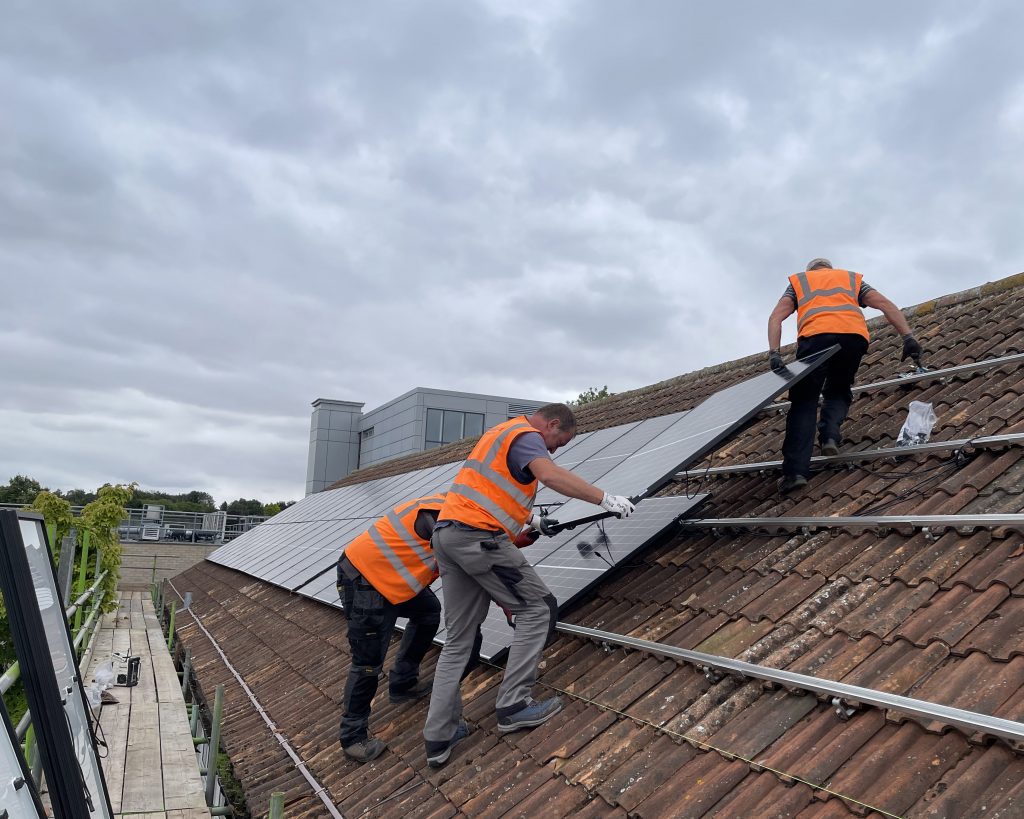
Community initiatives to cut carbon could benefit from a share of a fund over £200,000 following a decision by West Suffolk Council.
Projects including solar panels (pictured above), renewable energy battery storage, insulation and LED lighting in communities across the region may all receive funding from the council’s Decarbonisation Initiative Fund (DIF).
The latest stage, which is the second round from the DIF of funding, saw 29 expressions of interest (EOI) submitted to local ward councillors.
The DIF has already helped town and parish councils to convert around 1,500 streetlights to light-emitting diodes (LED), saving over 200 tonnes of CO2 per year.
Gerald Kelly, cabinet member responsible for the Environment, said: “As a council we are striving to achieve net zero carbon emissions by 2030.
“The Decarbonisation Initiative Fund was set up to help support our communities in that journey as well. It will benefit our residents by cutting carbon emissions, which makes for a better environment that we all share, while many of these initiatives will also deliver financial savings to the successful community groups.
“Through DIF, we are also encouraging community input in our collective drive to sustainable growth and West Suffolk’s environmental resilience.
“By offering financial support to decarbonising projects, we aim to enhance their impact and help build a more sustainable future for everyone.
“These proposals help pave the way for thriving communities to adapt to and mitigate the impacts of climate change.”
Examples of the projects being considered include converting floodlights on sports fields to LED, solar and battery arrangements for community halls and community transport schemes requiring capital investment to reduce the number of private car journeys.
The council’s cabinet agreed that every deliverable project will receive a share of the available grant pot. But a final decision on funding amounts will be made once costs of schemes and their viability have been confirmed with the community groups involved.