

Guinea pig numbers more than double in five years as RSPCA appeals for adopters
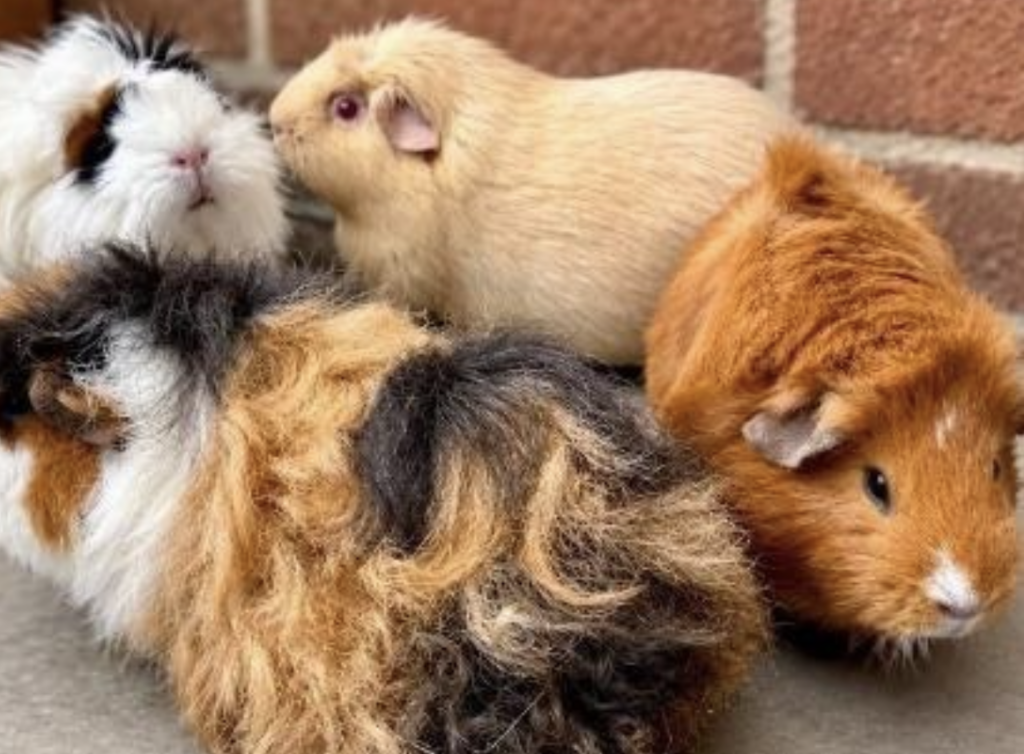
The RSPCA is urging animal lovers to consider rehoming smaller pet mammals – so-called “small furries” – after the number of guinea pigs increased by 137 per cent over five years, with rat intake also up 53pc.
As the RSPCA’s month-long “Adoptober” rehoming drive continues, the charity is encouraging people to visit its Find A Pet website and check out the many “small furry” pets in its care – including rats, mice, chinchillas, ferrets, degus, and gerbils, as well as rabbits and guinea pigs who are hoping for a loving forever home.
There has also been a 76pc increase in guinea pigs coming to RSPCA national centres in 2025 on the year before – and a 137pc increase since 2021 – from 177 to 419.
The new data represents small furries in animal centres run by the RSPCA.
But alongside them is a network of 133 volunteer-led RSPCA branches providing vital frontline care and often operating their own rehoming centres, clinics, welfare support, and foster networks – including for small mammals.
As independent charities, these local branches rely entirely on public donations to keep their doors open.
While the numbers of mice, hamsters and rabbits coming into national RSPCA centres are down on previous years, there are still many small furries looking for new homes, and even more in the charity’s many independently run branches across England and Wales.
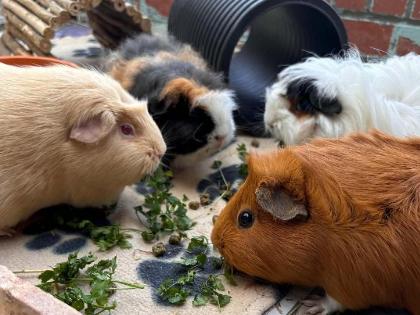
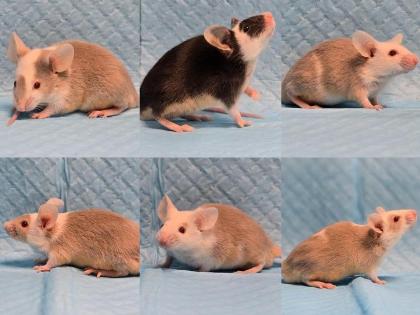
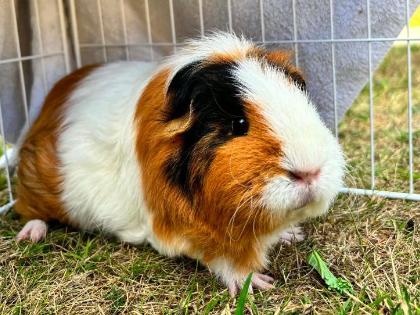
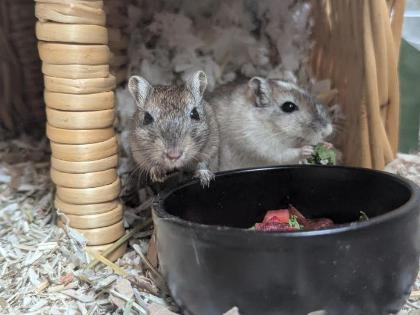
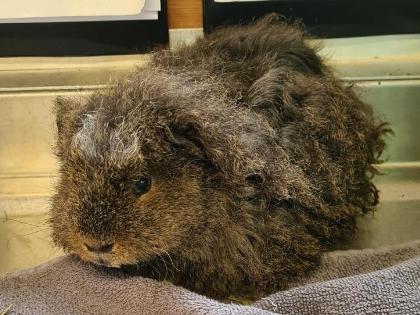
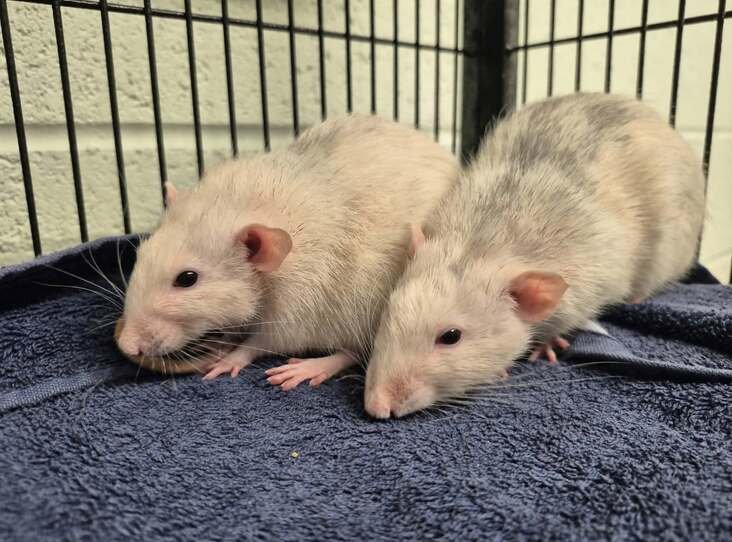
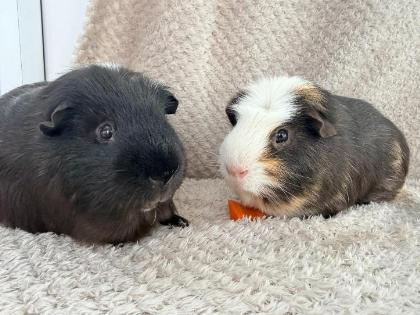
The charity fears overbreeding of rats and guinea pigs, combined with the ongoing impact of the cost of living crisis and a lack of owner knowledge about both species, is leading to an increase in the numbers of these small furries being given up.
A rise in large-scale rescues of 10 or more animals has also meant more pets – including small furries – have come to the RSPCA centre in recent years.
Eloise Dicks, the Science and Policy Officer at the RSPCA, said: “Sadly, we’re seeing more cases involving large numbers of animals, with rescues of 10 or more animals happening more and more.
“These situations can involve dozens of animals needing urgent care, and small furries including rats and guinea pigs are among those commonly affected.
“Overbreeding, the cost-of-living crisis and a lack of understanding about the needs of these animals can all contribute to people struggling to care for them.
“So while they can make incredible companions, we’d urge anyone thinking about getting a small furry as a pet to do their research first, and we encourage all those in a position to do so to consider adoption.”
Numbers have soared following some recent high-profile incidents requiring the RSPCA’s intervention.
In September 2025 two baby pet rats were dumped in a hamster cage by some bins in Bletchley. A member of the public took them to vets and they were rehomed by the RSPCA Milton Keynes Branch.
And last year, more than 70 guinea pigs were rescued from a property in Suffolk along with other animals. The owner was prosecuted and given an animal ban for 10 years.
Elsewhere, a woman was banned after overcrowded guinea pigs kept in plastic tubs were among nearly 100 animals found in one property.
And earlier this year 100 guinea pigs were removed from a home by RSPCA rescuers, after the owner was struggling to cope.
Eloise added: “Many animals that come into our care have come from overcrowded homes where they’ve lived in poor conditions and had little positive human interaction. As a result, they can be fearful and need time and patience to build their confidence.
“That means longer time spent in RSPCA care while they recuperate and then sometimes they can be overlooked by adopters. But with the right home, love and some patience they can really let their personalities shine.
“There are so many small furries waiting for a loving home, and adopting can make a real difference to their lives.
“We really need help from animal lovers. If you are considering adding a pet to your home, please consider rescuing – and if you can’t adopt, could you consider fostering?
“We are working to increase our number of foster carers, as well as modernising our rehoming process, to try and get animals into loving homes sooner.
“We need extra special homes for some of our animals and we’re so grateful to anyone who can support our Adoptober campaign – be it through adopting or fostering, or sharing profiles of animals who need new homes.”
inspiring vet care will be supporting the RSPCA by driving awareness of the campaign and sharing stories of animals who need homes in their 750+ practices across England and Wales, in the hope of finding more rescued animals homes.
inspiring vet care is also funding veterinary care and support delivered by RSPCA frontline officers for owners in need, to help pets stay in loving safe homes.